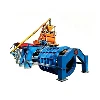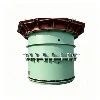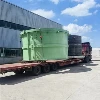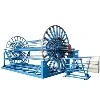
The concrete pipe mold industry is characterized by high capital and technology intensity and is closely linked to national macro-policies regarding infrastructure development, municipal engineering, and agricultural water conservancy. In recent years, driven by stricter quality standards for underground pipe networks and the deepening trend of "replacing steel with plastic," market demand for high-precision, durable, and efficient concrete pipe-making equipment has continued to rise.
The industry faces challenges regarding equipment durability, product precision stability, energy consumption, and the level of automation. To enhance durability, some manufacturers utilize high-strength specialty steel plates, branded bearings, and high-hardness alloy materials. Factors influencing equipment precision include the availability of large-scale precision machining equipment and dynamic balancing capabilities. Key directions for technological advancement in the industry include variable-frequency energy-saving technologies, PLC automatic control systems, and modern production lines equipped with automated feeding and curing systems.
Selecting concrete pipe molds and machinery requires the consideration of multiple factors. Decisions typically involve balancing product planning, production capacity requirements, and budget constraints against a comprehensive assessment of the manufacturer's technical expertise, production processes, material selection, and after-sales service quality. Process compatibility, technical strength, manufacturing craftsmanship, and after-sales support are among the standard criteria used for this comprehensive evaluation.
Jul 03, 2026
Leave a message
Impact Of Concrete Pipe Molds
Send Inquiry