If you’re running a concrete pole manufacturing operation, waste is probably one of the biggest headaches eating into your profits. I’ve been a concrete pole making machine supplier for years, and I’ve talked to dozens of production managers who lose hundreds (if not thousands) of dollars every month to scrap concrete, mis-cut molds, and leftover materials that just get tossed. The good news? Most of this waste isn’t inevitable—it comes from small, fixable mistakes in how you run your concrete pole making machine and its supporting tools. Let’s break down exactly where waste creeps in, and the actionable steps you can take to cut it down—without sacrificing the quality of your poles.

First off, let’s get one thing straight: waste here isn’t just the big piles of leftover concrete. It’s also the slightly off-spec pole that gets rejected for being an inch too short, the mold that gets damaged from rough handling, and even the extra bags of cement that go bad because you ordered more than you need. I’ve seen clients overorder 20% more materials “just in case” and never use half of it, which is a waste of both cash and space. But before we dive into the small fixes, let’s talk about the heart of your operation: the actual machinery.
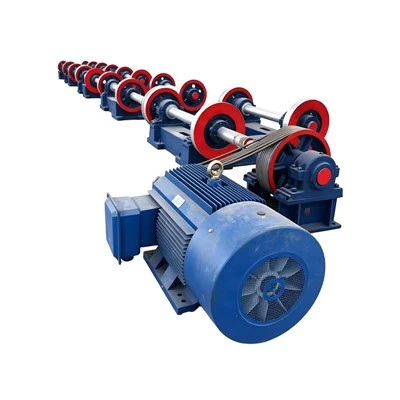
If you’re still using an outdated, low-quality centrifugal spinning setup, that’s a major source of waste. The centrifugal spinning step is where wet concrete is forced into the mold’s walls to create a strong, dense pole—and if that process is off, you end up with thin spots, voids, or uneven concrete that cracks later. A lot of my clients upgraded to our Concrete Pole Centrifugal Spinning Machine a couple years back, and they saw a 15-20% drop in concrete waste within the first three months. Why? Because these machines have precise RPM controls and adjustable spinning times, so the concrete is distributed evenly every single time. No more having to grind away excess concrete from the inside or toss a half-finished pole that’s too weak. If your current centrifugal machine is making a weird grinding noise or the concrete keeps sloshing out when you open the mold, it’s probably time for an upgrade that actually saves you money long-term.
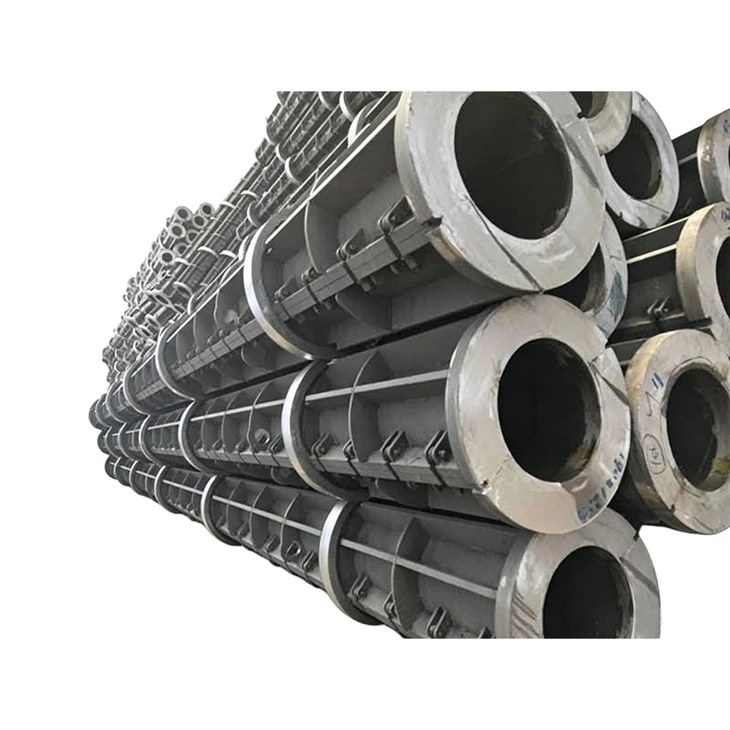
Next up: your molds. I can’t stress this enough—bad concrete pole steel molds are a total waste magnet. Thin, flimsy molds warp after a few uses, which means every pole you make in them is a little off. Maybe the diameter is wrong, or there’s a warp that leaves a gap where concrete seeps out, leading to messy edges you have to cut off. Or worse, the mold rusts inside, and you end up with small holes in the pole that make it unusable. A lot of new operators try to save money on cheap molds, but that backfires hard. Our Concrete Pole Steel Mold is made from heavy-duty steel with a powder-coat finish that resists rust and warping, and it’s precision-machined to exact specs. One client told me they used cheap molds for six months and threw away 12 poles because of warp-related defects—they’ve been using our molds for two years and haven’t had a single pole rejected for mold issues. Also, taking 10 minutes at the end of every shift to clean your molds (scraping off leftover concrete, wiping them down, oiling the hinges) will extend their life by years, so you don’t have to replace them as often. That cuts down on waste from discarded molds too.
Let’s talk material prep, because that’s where a lot of small, avoidable waste happens. How do you measure your concrete mix? If you’re scooping cement and aggregate by hand, you’re going to get inconsistent ratios, which means you’ll either use too much cement (wasting cash) or too little (leading to weak poles that crack). Even worse, if you mix a batch and don’t use all of it within the working time, you have to toss the whole thing. I’ve seen guys leave a half-mixed batch sitting for an hour “while they finish up the mold,” only to come back to rock-hard concrete that’s useless. Instead, invest in a small, accurate batch mixer that’s calibrated to work with your Concrete Pole Making Machine. Our team can help you size the mixer so you only mix exactly what you need for each run—no more leftover concrete. Also, store your aggregates (sand, gravel) and cement properly: keep cement in sealed silos or bags in a dry place, because even a little moisture makes it clump and go bad. One client was storing cement in an open shed and had 50 bags go moldy in a month—moving them to a covered, dry area fixed that, so they didn’t waste hundreds on unusable cement.
Another big waste source: welding the reinforcement cage inside the pole. That’s done with a concrete pole welding machine, right? If you’re welding by hand or using a low-precision welding rig, you might have wires that are too long or too short, or welds that are too weak or too thick. Over-welding uses extra wire and makes the cage heavier than needed, and under-welding leads to a cage that shifts during centrifugal spinning, which creates uneven concrete in the pole. Both of those are wastes. Our Concrete Pole Welding Machine has fixed jigs that hold the reinforcement wires exactly where they need to be, and it’s set to use just enough weld to hold the cage tight—no extra, messy weld beads that you have to grind off later. A customer in Texas told me they were using hand-welded cages and wasting 10 hours a week grinding excess weld and fixing shifted cages; switching to our welding machine cut that time down to 2 hours a week, plus they used 15% less welding wire. That adds up fast.
Now, let’s talk about process habits, because even with the best machines, bad work routines will create waste. First, do regular maintenance checks on your entire setup—every week, not just when something breaks. Tighten loose bolts on the centrifugal machine, check that the mold latches close all the way, make sure the welding machine’s settings are correct. I once had a client who didn’t notice a loose latch on their mold for two weeks—every time they spun the concrete, a little bit leaked out, and they had a pile of messy concrete scrap they were just hauling away. A 5-minute check every Friday would have stopped that. Also, train your operators properly. I can’t tell you how many times a new operator runs the centrifugal spinning time 5 minutes too short, leading to a pole with a hollow center that’s too weak. Most waste from operations is human error, not machine error—give your team a clear checklist of steps, and make sure they know what to look for. If an operator notices a small problem (like a little concrete seeping from the mold) early, they can fix it before it becomes a whole batch of bad poles.
Inventory management is another thing people sleep on. It’s tempting to buy a pallet of cement or a few extra molds if you find a good deal, but if they’re sitting around unused, they’re not just taking up space—they can go bad. Cement has a shelf life of about 3 months once opened, and molds can warp if they’re stored outside in the rain. Use a simple inventory spreadsheet, order materials only when you need them, and track how much you use for each run. One client was ordering 50 bags of cement at a time because the supplier gave a discount, but they only used 35 bags each run—so 15 bags were sitting for weeks and going bad. They adjusted their orders to 40 bags, and now they waste almost no cement from old stock.
Wait, what about the waste you can’t reuse, like leftover concrete that’s too small to save? A lot of operations just dump that in a landfill, but there are ways to repurpose it. You can make small concrete blocks or pavers from leftover concrete, or grind it up and use it as aggregate for future mixes (just make sure it’s properly cleaned and crushed). Some of my clients sell these repurposed products to local contractors for a little extra cash, which turns waste into a side income. Even a small pile of leftover concrete can be turned into something useful instead of sitting in a landfill.
Let’s get real for a second: I’m a machine supplier, so obviously I’m not going to tell you never to upgrade your equipment. But I also don’t want you to waste money on machines you don’t need. Most of the waste you’re seeing right now comes from small fixes—better storage, regular maintenance, operator training—before you even think about buying new machinery. That said, if your current Cement Pole Making Machine is 10+ years old and has constant breakdowns, replacing it will save you more in waste than the cost of the machine.
At the end of the day, reducing waste isn’t just good for your bottom line—it’s good for the planet, too. Landfill space is getting more expensive, and customers are starting to care about where their building materials come from. The steps I talked about here aren’t complicated, and they don’t require a huge overhaul. Start with one thing this week: do a maintenance check on your molds, or adjust how much concrete you mix per run. You’ll be surprised how fast the savings add up.
If you’re tired of throwing away money on avoidable waste from your concrete pole process, and you want to talk about upgrading your machines (or getting tips tailored to your specific operation), feel free to reach out. We’ve helped hundreds of pole manufacturers cut waste and boost profits, and we’re here to help you too.
References
- Concrete Sustainability Hub, Massachusetts Institute of Technology. (2021). Waste Reduction in Precast Concrete Manufacturing. Retrieved from MIT CSHub publications
- National Precast Concrete Association. (2022). Best Practices for Mold Maintenance in Concrete Pole Production. Retrieved from NPCA Industry Guidelines
- U.S. Environmental Protection Agency. (2020). Reducing Construction and Demolition Waste: A Guide for Small Manufacturers. Retrieved from EPA WasteWise Program